
"Dali and Lijiang: Cangshan, Erhai Lake, and the Tea Horse Road"
By PandaTrip Editorial · 7 min read · Verified 2026-09-06
Verified 2026-09-06

Ask Chinese travelers what "the faraway" looks like, and most answers will be Yunnan; and of Yunnan's faraway feeling, half lives in Dali and half in Lijiang. These two old towns, less than two hundred kilometers apart, have entirely different temperaments: Dali is open and bright — the nineteen peaks of Cangshan (the Green Mountains) cradle Erhai Lake, the Bai people's "three wings and a screen wall" courtyards unfold across the fields, and cafés live next door to tie-dye (zharan) workshops; Lijiang is inward and intricate — the Naxi old town is built along water with the snow mountain in sight, and the caravan memories of the Tea Horse Road have settled into the flagstones of Sifang Street. Read side by side, they form a matched pair of samples of two plateau civilizations on the eastern edge of the Hengduan Mountains.
Dali: From Nanzhao to the Dali Kingdom, a Buddhist Realm of Wind, Flowers, Snow, and Moon
Dali's historical starting point is higher than most people imagine: in 738 CE, Piluoge unified the Six Zhao and founded the kingdom of Nanzhao, after which the Dali region became a regional power standing alongside the Tang and Tubo (the Tibetan Empire); in 937 Duan Siping founded the Dali Kingdom, a realm that lasted more than three hundred years and was founded on Buddhism ("Dali" itself means "greatly harmonizing all quarters," and 9 of its 22 kings abdicated the throne to become monks) — the real-life model for Duan Yu, hero of the wuxia novel Demi-Gods and Semi-Devils, comes from this dynasty. In 1253 Kublai Khan crossed the Jinsha River on leather floats and extinguished Dali, and Yunnan was thereupon folded into the map of the Yuan dynasty — the layout of Dali Old Town you see today was rebuilt during the Hongwu reign of the Ming dynasty on the foundations of the old city of Yangjuemie.
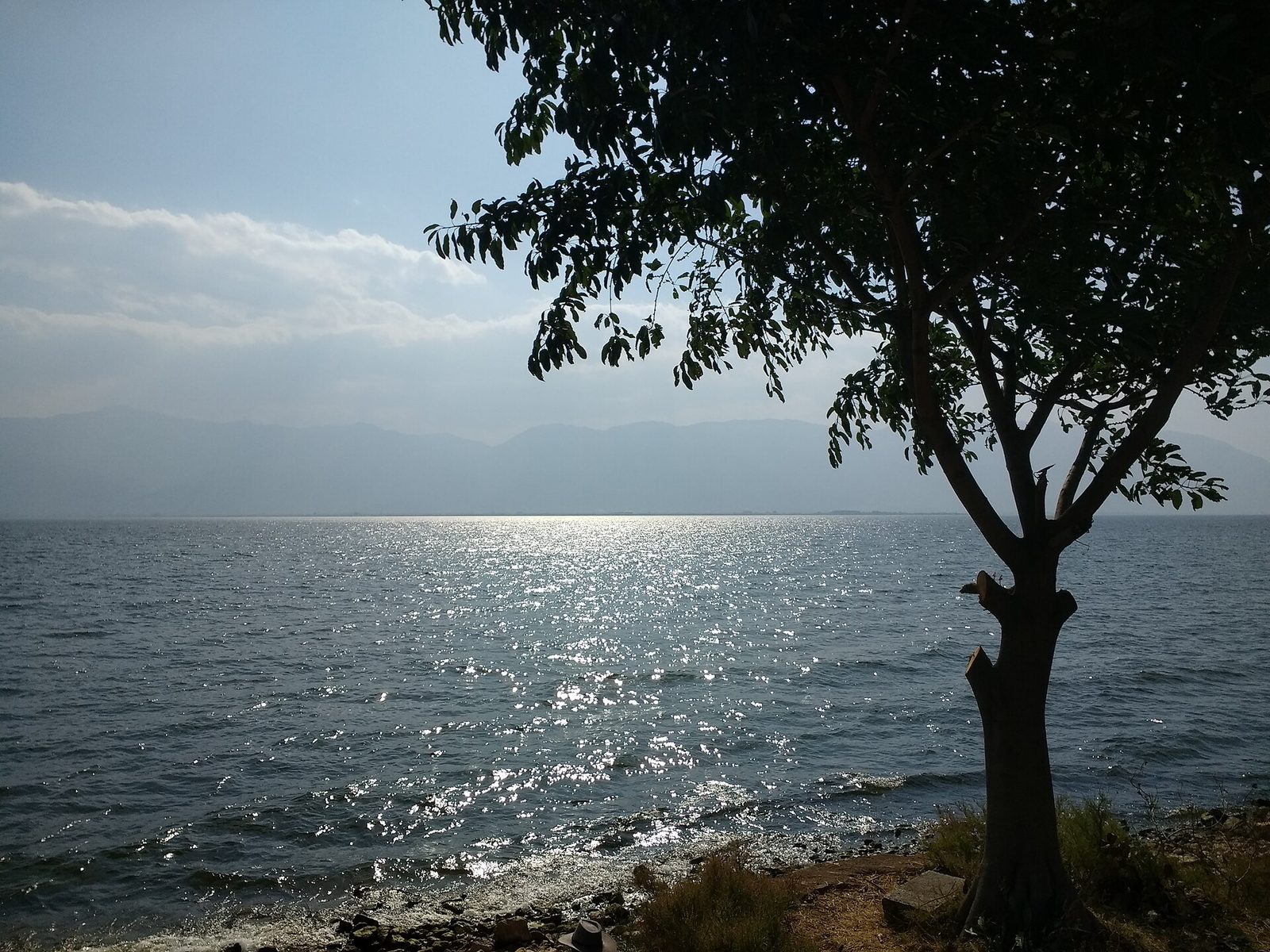
The natural setting dictates the local temperament: the flat intermontane basin (bazi) between Cangshan (the Green Mountains; nineteen peaks and eighteen streams, the highest at 4122 m) and Erhai Lake (a tectonic lake on the plateau, about 250 square kilometers) has been the thousand-year home of the Bai people. "Wind at Xiaguan, flowers at Shangguan, snow on Cangshan, moon over Erhai" — the famous "wind, flowers, snow, moon" is not a figure of speech in Dali but the weather and seasonal signs of four specific places. The Third Month Fair (a thousand-year-old Bai market, today a festival market), the Raosanling festival, and Benzhu worship (every village keeps its own patron deity) form the spiritual framework of Bai life.
Bai aesthetics are written directly onto the architecture: courtyards laid out as "three wings and a screen wall" and "four wings around five skywells" with screen walls inscribed "Qingbai Chuanjia" ("an honest family heritage") and gables painted with ink-wash murals; tie-dye (zharan) (Zhoucheng village is its homeland — blue-and-white patterns drawn out of banlangen indigo) and silversmithing (Xinhua village in Heqing) are its two great crafts. The three-course tea (sandaocha) — first bitter, second sweet, third with a lingering aftertaste — is its philosophy of hospitality.
Dali today is the city of "new Dali people": in ten years, tens of thousands of artists, digital nomads, and lifestyle entrepreneurs have moved in, and between the fields of Caicun, Xizhou, and Shaxi has grown a startling density of cafés and bookshops. It may be the Chinese city that comes closest to the definition of a "lifestyle destination."
Lijiang: The Naxi Old Town and the Tea Horse Road
The protagonist of Lijiang is the Naxi people, an ethnic group that still keeps a living pictographic script — the Dongba script, about 1400 characters, which Dongba priests can read and write to this day. Lijiang Old Town (Dayan) has no city walls (legend has it that because the native chieftain's surname was Mu, "wood," building walls would have boxed the character in and turned it into kun, "trapped"), and its streets grew freely outward from Sifang Street along three strands of flowing water — the layout of a "highland water town" that stands alone among China's old cities. In 1997, the Old Town of Lijiang was inscribed on the UNESCO World Heritage List.
Lijiang owes its rise to the Tea Horse Road: in the Ming and Qing periods, the caravans carrying the Yunnan–Tibet trade made Lijiang their transshipment hub, and a workshop economy of leather, copperware, and horse tack built the street-level skeleton of the old town. The Mu Residence (the seat of the Naxi chieftains — the saying "the Forbidden City in the north, the Mu Residence in the south" is an exaggeration, but its grandeur is real) and the snow-mountain reflection in the Black Dragon Pool are the old town's two classic images. Jade Dragon Snow Mountain (5596 m, the sacred mountain of the Naxi) hangs above the north of town, and a cable car carries you up to the glacier park at the 4500-meter level.
Lijiang's controversy and its charm are two sides of one thing: the commercialization wave of the 2000s once had the old town criticized as "hollowed out," but turn it over and look — beyond the bar streets, Wenzhi Lane and the upper stretch of Wuyi Street still hold genuine Naxi courtyards and working artisans; the murals and tie-dye workshops of Baisha old town (where the Mu clan began) keep their quiet; and Shuhe old town is a slightly smaller "Lijiang substitute." Since the Lijiang–Shangri-La railway opened in 2023, Lijiang's position as the gateway to northwestern Yunnan has only grown firmer.
The Taste and the Time of the Plateau
The two cities' food is the A-side and B-side of Yunnan cuisine. Dali: rushan (toasted sheets of dried milk cheese; grilled rushan with rose jam is a street classic), ersi rice-noodle strands and erkuai rice cakes, suanla sour-and-spicy fish (the Erhai crucian carp version in a sour mugua broth), shengpi raw pork (a Bai tradition — outsiders should approach with caution), and diaomei carved plums; Lijiang: cured-pork-rib hotpot (lapaigu; a legacy of caravan cooking), jidou liangfen (cold jelly made from local "chicken beans"), Naxi grilled fish, Lijiang baba flatbread, butter tea and highland-barley flatbread (the fringe influence of the Tibetan cultural sphere). The mushroom season (June–September) is the hidden high point of the whole of Yunnan — the world of jianshouqing boletes and matsutake deserves its own dedicated itinerary.
How to Feel These Two Cities
The right way to open up Dali is "slow + wild": rent an electric scooter and ride the west shore of Erhai, see the rice paddies and century-old farmhouses in Xizhou (with posu baba flaky flatbread eaten hot off the griddle), and try your hand at tie-dye in Zhoucheng; walk half of the Jade-Belt Cloud Trail on Cangshan and look down on the bazi; drift back into the old town at dusk to wander between the bookshops and street stalls of Renmin Road, and at night move into a guesthouse converted from a Bai courtyard. Lijiang runs on the double theme of "old town + snow mountain": at seven in the morning Sifang Street and its flagstones belong to the locals (this is the old town's most beautiful hour); by day go up Jade Dragon Snow Mountain or out to the Lashi Lake wetlands; after dusk, give your time back to the old town's lantern light and music. If you have time to spare, Shaxi, near Dali — the only surviving market town on the Tea Horse Road, as quiet as Lijiang twenty years ago — is worth a night of its own.
The two cities share exactly one piece of advice: set your rhythm to the altitude. The plateau's light, dryness, and ultraviolet are all in earnest — sunscreen, water, and slow walking are what let "the faraway" treat you gently.
Frequently asked questions
How do I choose between Dali and Lijiang, and how should I structure the trip?
The two cities are about 180 km apart, around 2 hours by train; the usual plan is to enter at Dali and leave from Lijiang, staying 2–3 days in each. Choose Dali for lake-and-farmland scenery and the café-and-guesthouse atmosphere; choose Lijiang for old-town nightlife and a snow mountain. In peak season (public holidays) hotel prices in both cities double and the crowds swell — travel off-peak if you can.
Should I worry about altitude sickness?
Dali sits at about 2000 m and Lijiang at about 2400 m; the vast majority of people feel nothing or only mild symptoms. Slow down for the first two days, drink plenty of water, and skip alcohol on the night you arrive. Going up Jade Dragon Snow Mountain (the cable car reaches the 4500 m level), you can rent an oxygen canister at the base — know your limits.