
China Metro Guide: Single-Journey Tickets, Transit QR Codes, City Apps, and the China T-union Card
By PandaTrip Editorial · 4 min read · Verified 2026-09-06
Verified 2026-09-06
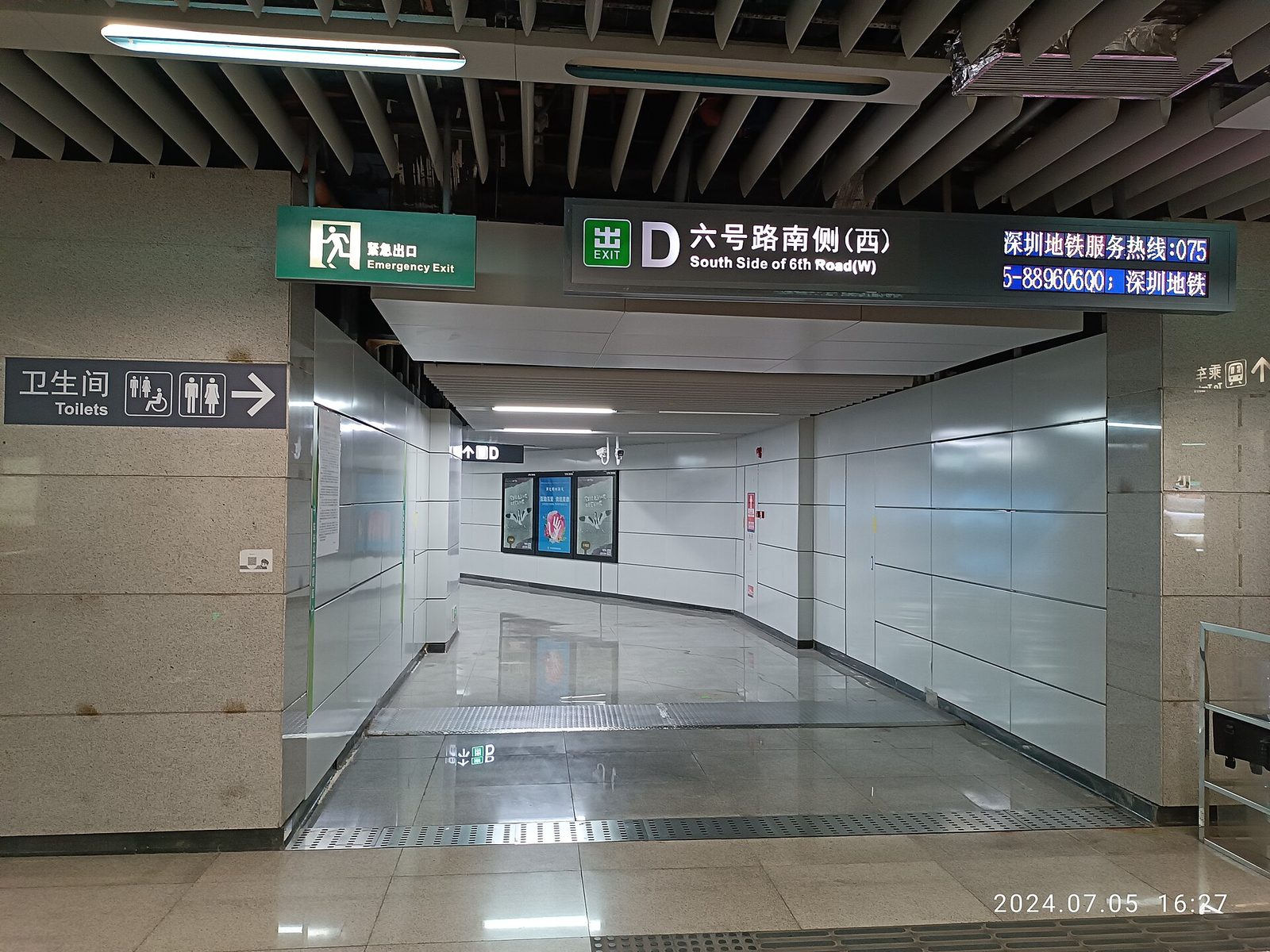
In China's big cities, the metro is usually the mode of transport you'll use most: no traffic jams, low fares, and station names and announcements in English. As of 2026, more than 50 cities in mainland China have urban rail transit—every major tourist destination is covered, including Beijing, Shanghai, Guangzhou, Shenzhen, Chengdu, Hangzhou, Chongqing, Wuhan, Xi'an, and Nanjing.
That leaves just one question: how to "tap in" at the gates. Locals sweep through the fare gates with a flick of their phone, but inbound travelers have plenty of options too—here they are, ranked by convenience.
Option 1: Alipay/WeChat transit QR code (recommended)
Once your passport verification is done, open "Transit" (出行) on Alipay's home screen and allow location access; the app automatically pulls up the metro transit QR code for the city you're in. Hold the code to the reader on the gate to enter and exit—the fare is deducted automatically from your linked bank card. WeChat offers the same feature under "Me → Services → Transit Services."
It's supported in more than 100 cities—one app for the whole country, and the least-effort choice. A few cities are exceptions (their transit QR codes are issued only through a local app), and the app will alert you—in that case, just buy a single-journey ticket instead.
Option 2: Single-journey ticket (the most direct)
Every metro station has ticket vending machines with touchscreens that switch to English. The procedure: choose your line → choose your station → pay → collect your coin-style ticket. A few things to know:
- Older machines accept coins and banknotes only (1-yuan coins; 5/10/20-yuan notes), and some don't give change;
- Newer machines mostly accept QR-code payment (Alipay/WeChat)—look for the QR icon on the screen;
- The ticket is scanned once at the entry gate; on the way out, drop it into the collection slot—if you lose it, you'll be charged the maximum fare.
If the machine gets the better of you, head straight to the station's customer service center: the staffed counter takes cash, gives change, and sells transit cards.
Option 3: Official city apps
Several big cities have standalone metro apps—handy for checking first and last trains and exit maps ahead of time: Beijing's "Yitongxing" (亿通行), Shanghai's "Metro Daduhui" (Metro大都会), and Guangzhou's "Guangzhou Metro" (广州地铁). Most support passport registration and an English interface, but each works only in its own city. For a short trip, there's no need to install them one by one.
Option 4: The nationwide China T-union transit card
If you prefer a physical card, you can buy one bearing the "交通联合" (China T-union) logo at a metro customer service center or a convenience store (deposit around 20 yuan, rechargeable). The card works on metro and buses in more than 300 cities across China, and you can get the deposit and remaining balance refunded before you leave (keep the purchase receipt).
Fares and practical rules
- Fares: from 2—3 yuan (2 yuan in Guangzhou; 3 yuan in Beijing and Shanghai), distance-based, with typical inner-city trips costing 3—7 yuan. Exceptions: the Beijing Capital Airport Express at 25 yuan and the Daxing Airport Express at 35 yuan; the Shanghai Maglev (Longyang Road—Pudong Airport) is 50 yuan one way, or 40 yuan with a same-day flight ticket—closer to a tourist experience than transport.
- Multi-day passes: most cities sell a 1-day pass (about 18—25 yuan) and 3-day passes; they pay for themselves on days with many rides, and are sold at customer service centers.
- Security checks: all luggage goes through the X-ray machine. Power banks must be carried on your person (≤20000mAh is compliant); lighters beyond the limit and knives will be stopped.
- On board: no eating or drinking (water is fine); let passengers off before you board; rush hours (7:30—9:30, 17:30—19:30) are crush-level crowded.
- First and last trains: usually around 6:00—23:00; once the last train is gone, taxis are your only option, so check the day's last-train time before you head out.
An easily overlooked detail: transfers inside stations
At some interchange stations in Beijing and Shanghai, the passageways between lines are very long (Xizhimen and Century Avenue are both "marathon-grade"). Google Maps is noticeably off when estimating in-station transfer walks in China; PandaTrip (its 25 categories of nearby places take you straight to the closest metro entrance), Amap/AMAP, or Apple Maps are more reliable for transfer routing. For choosing among local map apps, see "Which Maps App Should You Use in China?"
Frequently asked questions
Can I use the metro transit QR code in Alipay after verifying a foreign passport?
Yes, in the vast majority of cities. Once passport verification is complete, Alipay's Transit page automatically detects your city and issues the local transit QR code. In a handful of cities the code is available only through the local app—in that case, use the official city app or simply buy a single-journey ticket.
How strict is metro security?
Every metro station in China requires luggage to go through an X-ray machine and passengers to walk through a security gate, and you may be asked to take a sip of your bottled water on the spot. Queues are longer at peak times—allow an extra 5 minutes when traveling then.