
How to Pay in China: Alipay, WeChat, Cash, and Foreign Cards, All Explained (2026)
By PandaTrip Editorial · 4 min read · Verified 2026-09-06
Verified 2026-09-06
Bottom line first: to pay your way through China, the answer is "Alipay or WeChat Pay + a little cash" — those two are all you need. Direct Visa and Mastercard swipes have very low coverage in everyday Chinese scenarios, and Apple Pay tied to a foreign card mostly will not work either — China's mobile payment system is a world of its own, and the international card networks never spread into daily spending.
This "payment gap" is now easy to bridge: both Alipay and WeChat Pay support linking international bank cards, and the whole process takes about ten minutes. Here is a rundown of the payment options, in order of priority.
The workhorse: Alipay/WeChat Pay + an international bank card
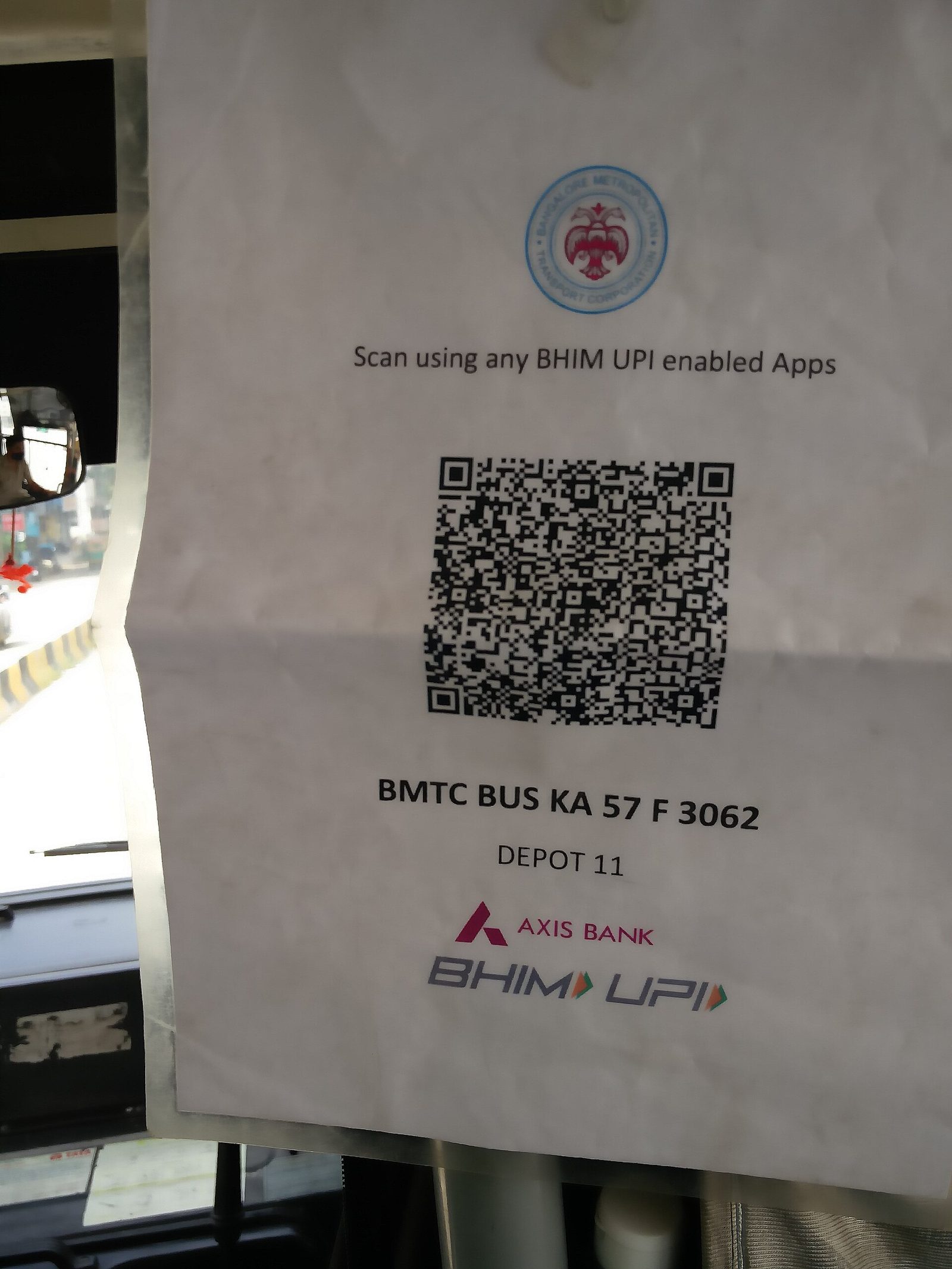
Mobile payments have been ubiquitous in China for over a decade: street food stalls, attraction tickets, taxis, shared bikes — everything settles by QR code. All an arriving traveler has to do is install the two apps and link a home-country bank card:
- Alipay: Search "Alipay" on the App Store / Google Play, register with your home phone number, verify your identity with your passport, and link a Visa / Mastercard / Amex / JCB card. For detailed steps, see "How to Set Up Alipay with a Foreign Card".
- WeChat Pay: After signing up for WeChat, add an international card under "Me → Services → Wallet → Bank Cards". For steps and common questions, see "How to Set Up WeChat Pay with a Foreign Card".
Fee rules: Transactions of ¥200 and under are fee-free; transactions above ¥200 incur roughly 3%. There is an extra layer in 2026: users who link an international card for the first time before December 31 get 90 consecutive calendar days of fee waivers on up to ¥1,000 per day after their first purchase (WeChat Pay has officially announced this policy alongside China's APEC year; Alipay runs a similar inbound-tourism promotion — check the in-app announcements for details).
The practical impact of this rule: a ¥40 meal, a ¥3 metro ticket, a budget hotel night at just over ¥200 — all fall in the fee-free band. Only large purchases (jewelry, long hotel stays) brush against the 3%; split the payment or switch to cash at that point.
Limits also matter: once a foreign card is linked, single-transaction and annual limits apply — check the exact figures in the app. Transactions over the limit are declined outright; switch to cash or another card rather than retrying repeatedly.
The fallback: cash is still legal and valid
The People's Bank of China explicitly rules that merchants may not refuse cash; if one does, report it via the 12363 financial consumer hotline. In theory, banknotes are a legal payment method in every scenario.
In practice: you can pay, but not always smoothly. Small shops may not be able to break a ¥100 note (merchants keep no change in the QR era), and vending machines and metro ticket machines accept only coins and specific denominations. Carry ¥200–500 in cash, mostly in ¥10, ¥20, and ¥50 notes. For exchange and ATM withdrawal details, see "Cash and ATM Guide".
The supplement: places where you can swipe a foreign card directly
Visa / Mastercard basically work in:
- international chain luxury hotels and upscale malls frequented by foreign travelers (Beijing SKP, Shanghai's Plaza 66 and the like)
- airport duty-free shops
- some chain convenience stores (FamilyMart, some 7-Eleven branches)
Everything else in daily spending — bubble tea shops, small restaurants, wet markets, taxis — defaults to QR codes only; use Alipay or WeChat Pay directly.
Three common questions
- Hotel deposits run as pre-authorizations: front desks typically pre-authorize several hundred to over a thousand yuan, and the hold can take 2–4 weeks to release. If that bothers you, pay a cash deposit instead, refunded on the spot at checkout.
- Scanning vs. being scanned: scanning the merchant's posted QR code (you scan) or showing your phone's payment code for the merchant to scan (you are scanned) are two different operations. When you cannot tell them apart, just hand your phone to the clerk.
- Your issuing bank has its own fees: some issuers charge an extra 1%–3% currency-conversion fee on overseas transactions — separate from the payment platform's 3% fee. Confirm with your bank before departure.
Pre-departure checklist
- Install Alipay and WeChat, and complete registration, passport verification, and card linking (do it before departure — your home network beats airport Wi-Fi);
- Ask your issuing bank to enable overseas transactions and online payments (the most common cause of failed card linking);
- Exchange a small amount of RMB cash to carry;
- Confirm your issuing bank's overseas transaction fee.
With these four done, your payment experience in China will be essentially the same as a local's.
Frequently asked questions
Can I get by in China with cash only?
Yes, but it gets inconvenient: small vendors cannot break large notes, some queue systems have no staffed checkout, and buses and some taxis cannot make change. The realistic setup is mobile payments as the default and cash as the backup — carry both.
Are there fee discounts for foreign cards in 2026?
Yes. All year, transactions of ¥200 and under are fee-free; users who link an international card for the first time before December 31, 2026 get 90 consecutive calendar days of waived fees, up to ¥1,000 per day, after their first purchase (WeChat Pay has officially announced this; Alipay runs a similar promotion — see the in-app announcements for details).