
Getting Sick in China: Pharmacies, Seeing a Doctor, Emergency Care, and Travel Insurance
By PandaTrip Editorial · 4 min read · Verified 2026-09-06
Verified 2026-09-06
Falling ill is the fastest way to spoil a trip, but with decent preparation, getting medical care in China is not hard — medical resources are dense, medicines are cheap, and emergency response is fast. This guide works from mild to severe.
Minor Illness: Pharmacies Solve 80% of Problems
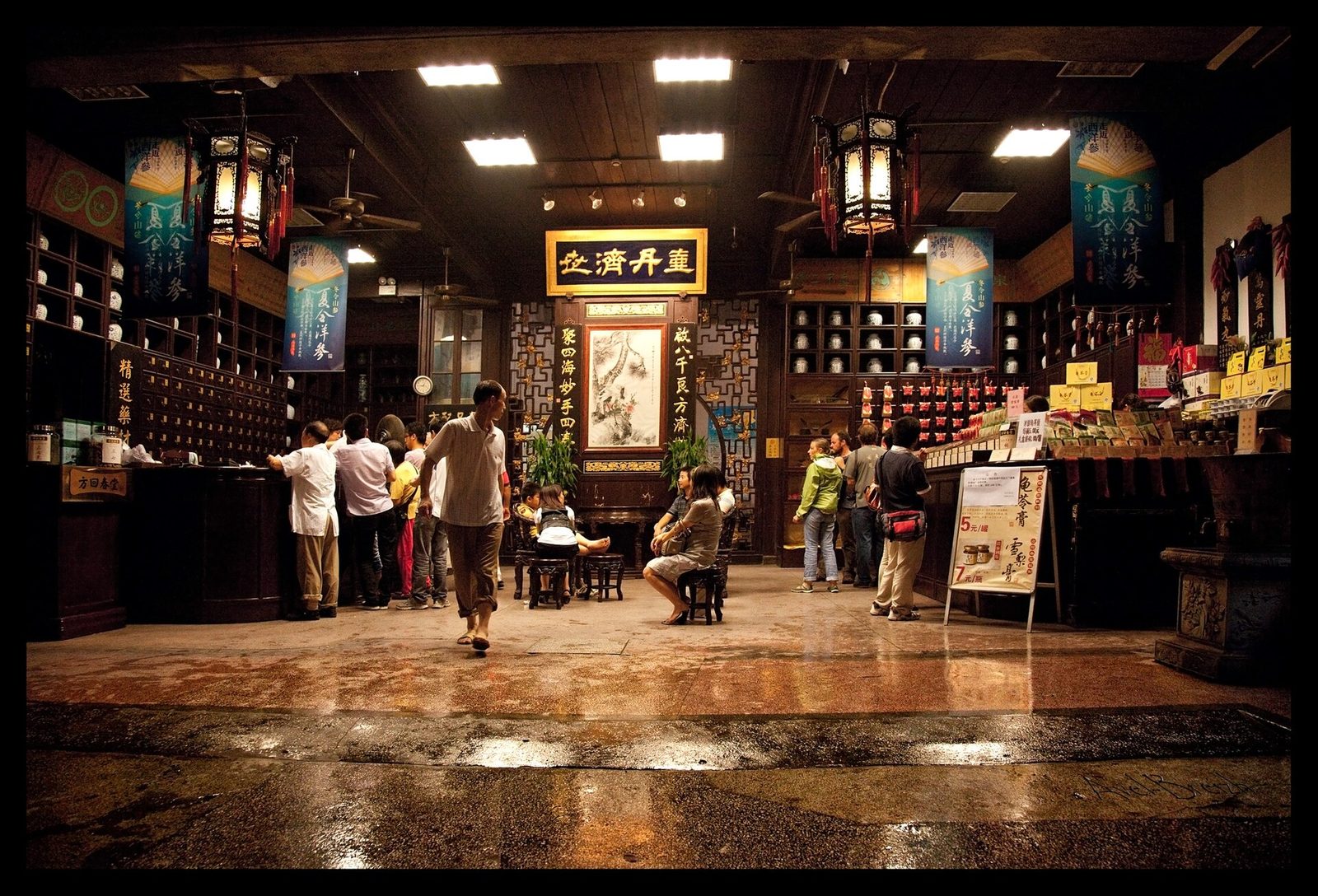
Street pharmacies (green-cross signs) are remarkably dense in China; chain brands (Laobaixing, Dashenlin, Yifeng, and others) cover every neighborhood, most stay open until 10 pm, and some run 24 hours. You can buy:
- Cold and fever medicines (ibuprofen, paracetamol), stomach remedies, motion-sickness tablets, band-aids, and disinfectants;
- Face masks, thermometers, and blood-pressure monitors;
- Electrolyte drinks and Huoxiang Zhengqi Water (a local standby for heatstroke and trouble adjusting to local water and food — sharp-tasting but cheap).
Over-the-counter medicines are sold straight off the shelf, usually at a fraction of European or American prices. Antibiotics are managed as prescription drugs in China (enforcement varies from place to place) and should not be actively sought. To communicate: type your symptoms ("headache," "diarrhea," "fever") into a translation app and show the screen to the clerk, or simply point at the shelves — staff will walk you to the right counter.
Moderate Illness: Outpatient Visits and the Emergency Room
Public hospitals: The visit runs "registration (window or self-service kiosk) → triage → waiting → consultation → payment → medication/treatment." Bring your passport (registration is real-name); a regular appointment is all you need. Costs are transparent and low: one outpatient visit with medication typically runs RMB 100–200. International medical departments are the top recommendation — most top-tier (Grade III-A) hospitals have one (Peking Union Medical College Hospital in Beijing, Huashan Hospital in Shanghai, for example), with English service and quiet surroundings; the registration fee runs to several hundred yuan, and efficiency is high.
Foreign-owned / international hospitals: United Family, Jiahui, and their peers run campuses in first-tier cities, with all-English workflows and direct insurance billing; self-pay prices are the highest of all (outpatient visits start at around a thousand yuan).
Emergencies: Head straight for a hospital emergency department (Emergency), or dial the 120 ambulance number. Operators mostly speak Chinese; if you cannot make yourself understood, have your hotel front desk place the call, or ask literally anyone nearby for help — 120 is a number everyone knows, and passersby will not stand by and do nothing.
Three Ways Around the Language Problem
- Prepare a short Chinese self-description in advance with a translation app: symptoms, duration, allergy history, and any medications you are taking; save it as a screenshot;
- Write it down: pen-and-paper communication works remarkably well in hospitals;
- For serious cases, ask your hotel front desk or your insurer to arrange an interpreter; some international hospitals provide medical interpretation services.
Costs and Insurance: The One Thing to Get Right Before Departure
Chinese medical institutions usually require payment on the spot from foreign patients (cash or QR code; public hospitals are cheap, international departments are not). That means:
- Buy travel insurance with a direct-billing medical network before you leave (one that covers an "international medical network" or explicitly includes mainland China): for major illness and hospitalization, the insurer settles directly with the hospital, and you never front large sums yourself;
- Keep every receipt and medical record (the stamped "diagnosis certificate") — they are required for claims;
- Save your insurer's global assistance hotline in your phone; the assistance team can help arrange referrals, medical evacuation, and even medical interpretation.
Bringing Your Own Medicines and Chronic Conditions
Travelers with chronic conditions: bring prescription medicines in personal-use quantities together with prescription proof (see China Entry Customs Rules: Cash, Tobacco & Alcohol, Medication, Drones — What You Can Bring and How Much for customs rules); insulin needs a cool pouch; carry asthma inhalers on you. Large Chinese pharmacies stock most routine substitutes (show the clerk the generic ingredient name or use photo translation), but prescription categories (blood pressure, psychiatric, hormonal) are tightly controlled — bringing your own is the safest course.
One last thing: the standard of China's doctors, the quality of its medicines, and the speed of its emergency response sit in the first tier among developing countries, and medical disputes involving tourists are rare news. If you feel unwell, seek care promptly — a public hospital registration fee costs no more than a cup of coffee.
Frequently asked questions
Is emergency care in China expensive? Is a deposit required?
Public hospital ERs register you first and treat you after; costs are modest (a few hundred yuan), but as a rule you pay before treatment, in cash or by QR code. International departments and foreign-owned hospitals cost several times more but deliver a better experience, and direct-billing insurance networks can cover them.
How do I communicate in a hospital without Chinese?
International departments of top-tier hospitals have English-speaking staff; in regular outpatient clinics, show a description of your symptoms from a translation app (write out in advance something like “I have had pain here for two days”), plus a handwritten card with your name and allergy history. The registration window and the triage desk are the starting points — just follow the flow.