
How to Order Food in China: QR-Code Ordering, Menu Translation, and Table Manners
By PandaTrip Editorial · 4 min read · Verified 2026-09-06
Verified 2026-09-06
Half the joy of traveling in China happens at the table — and so, often, does the frustration. Menus come without English, QR-code ordering assumes you read Chinese, and when a server tells you to "scan to order," first-timers often have not even found the code yet. This guide breaks the meal into three parts: ordering, eating, and paying.
Four Ways to Order
Option 1: QR-code ordering (the most common)
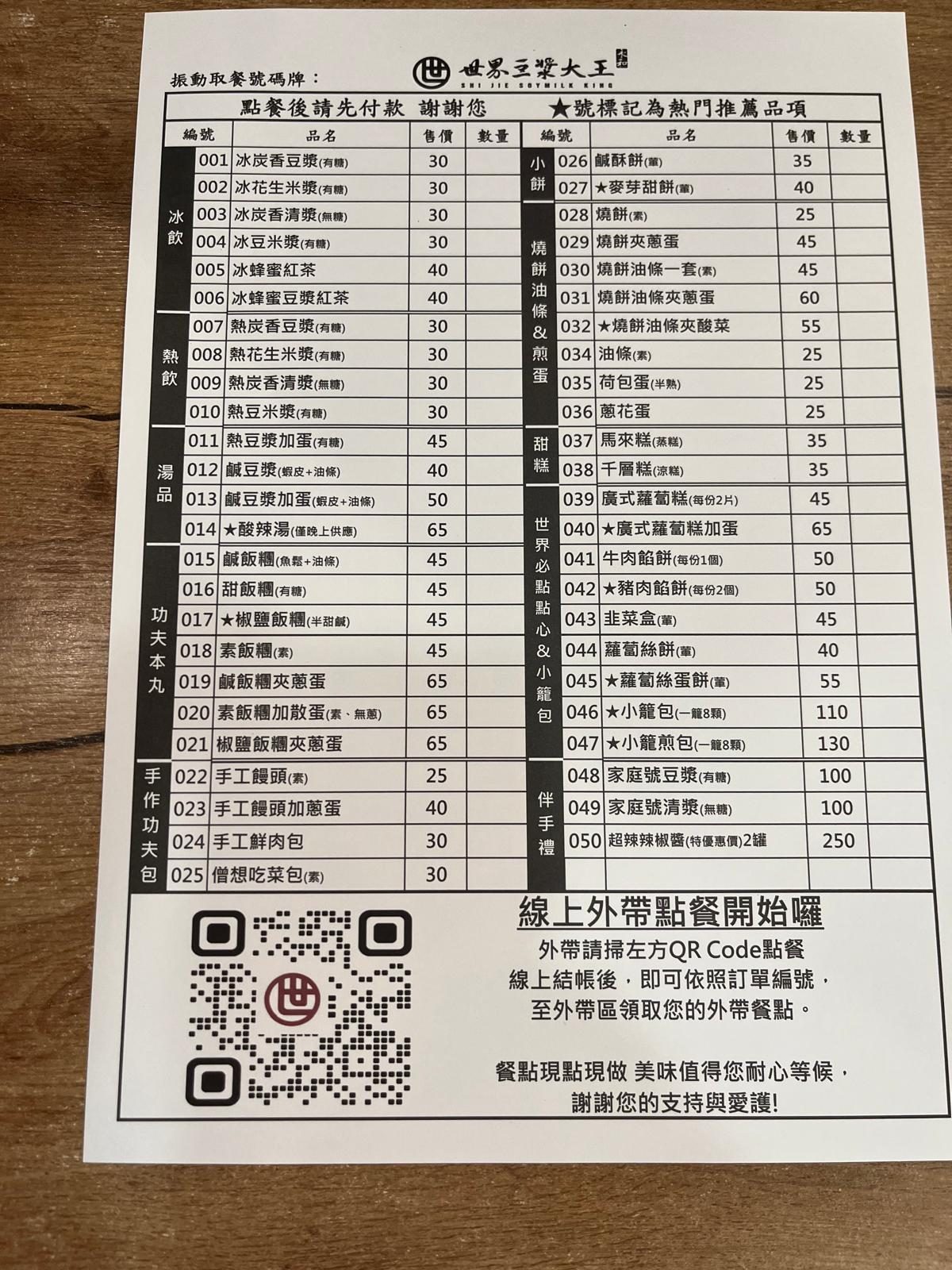
Once you sit down, check the corner of the table or the wall: the QR code stuck there is the menu. The flow: scan with WeChat/Alipay → a mini-program menu opens (with dish photos) → tick your picks → submit and pay online. For locals, that is the entire procedure; for diners who do not read Chinese, the hard part is the menu's language. For the fix, see "photo translation" below.
Some mini-programs require you to follow an official account or authorize your phone number before you can place an order. If you would rather not, simply ask the server to take your order by hand ("服务员,帮我点一下餐" — "Waiter, please help me order") — regulators have explicitly required restaurants to keep this option available.
Option 2: Ask the server (works every time)
Hand over your phone with the translation screen up, or point at a dish on a picture menu and say "这个" ("this one"). Chinese servers are generally patient — outside rush hour, that is.
Option 3: Watch the next table
Pointing at the next table over is the ancient art of ordering across a language gap. Point at the dish you want, hold up fingers for how many, and the server gets the idea.
Option 4: Photo translation
Google Translate does not work in China (it is blocked). The first choice is PandaTrip's menu scan: photograph the entire menu page, and it recognizes each dish's name, ingredients, and spice level, flags risky dishes against your allergy profile, and, once you have chosen, generates an order list you can show the server on the spot (this is an AI feature and requires a pass). The zero-cost route is Baidu Translate or Youdao photo-translating the whole page. If you have food allergies, go through the ingredient list dish by dish and, when necessary, have the server confirm back and forth through a translation app — for allergy sufferers, this step is not optional.
What to Order: How Much a Chinese Menu Tells You
A Chinese menu carries plenty of information; knowing these few characters heads off most surprises:
- Spice: 麻辣 málà (numbing-hot, Sichuan–Chongqing style), 香辣 xiānglà (dry-chili heat), 微辣 wēilà ("mild," but still spicy) — the safest move is to say 不辣 (bú là, "not spicy") outright;
- Offal: 腰花 yāohuā (kidneys), 毛肚 máodù (tripe), 黄喉 huánghóu (aorta), 鸭血 yāxuè (duck blood curd) — if you mind where your ingredients come from, look up these words first;
- 凉菜 / 热菜: liángcài 凉菜 are cold plates (mostly appetizers), not dishes the kitchen forgot to heat;
- 例汤: the lìtāng 例汤 at Cantonese restaurants is the set soup that comes with the meal.
Portion units: 一份 yí fèn (one portion), 一例 yí lì (one small order), 一打 yì dǎ (one dozen, 12 pieces). For two diners, 3—4 dishes plus a staple is the local rhythm; rice is free or ¥1—3 per person.
Table Manners
- Tableware: a ¥1—2 per-person tableware fee is common; rinsing the sealed utensils in boiling water is a local habit;
- Family-style dining: Chinese meals are shared by default; spin the lazy Susan clockwise and pick up food with serving chopsticks;
- Drinks: tea is usually refilled for free; bottled water comes room-temperature or chilled and must be ordered separately; the kettle on the table is for boiling water;
- Hotpot: yuanyangguo 鸳鸯锅 (half-and-half hotpot) is the safe pick if you fear spice; the "seven ups, eight downs" (qī shàng bā xià) rule for blanching máodù 毛肚 (tripe) means about eight seconds in the broth;
- Doggy bag: taking leftovers home — dǎbāo 打包 — is completely normal; just say "打包" (dǎbāo).
Paying
- QR payment: scan the payment code on the table or at the front desk and pay the bill amount through Alipay/WeChat;
- Tea charge: Cantonese restaurants charge ¥3—10 per person for tea (cháwèifèi 茶位费); it is a standard fee item, not a trick;
- Fapiao (发票): a receipt for expense reimbursement — travelers rarely need one. If asked "要发票吗?" ("Do you need a fapiao?"), just answer "不用" (bú yòng, "no need").
Breakfast and Street Snacks
Ordering at breakfast shops, jianbing (煎饼) crepe stalls, and milk-tea counters runs on simple exchanges — queue, point, hold up fingers, scan to pay. Four steps, zero Chinese required. Street-food hygiene is broadly reliable; picking a busy stall (fast turnover means fresh ingredients) serves you better than checking licenses.
One last thing: Chinese restaurants queue up badly during the dinner rush (18:00—19:30); for popular places, take a remote queue number on Dianping in advance (see "Eat, Drink, and Play Like a Local"). Shift your meal by half an hour and the experience visibly improves.
Frequently asked questions
I don't speak any Chinese. How do I order?
Three ways: photograph the menu with a translation app and check each dish's translation and ingredients; watch what the next table is having and point, saying 这个 (“this one”); or hand your phone straight to the server and ask them to tick the dishes on the ordering page. Picture menus and real display racks (the ingredient shelves at hotpot restaurants) are natural translators too.
The QR ordering flow wants me to authorize personal information. Is that safe?
Some mini-programs require phone-number authorization or following an official account before you can order. That is common in China, but regulators have explicitly required merchants to offer a way to order without forced authorization. If you would rather not, asking a server to take your order by hand is a legitimate right — just say 请帮我点餐 (“please take my order”).