
China Entry Customs Rules: Cash, Tobacco & Alcohol, Medication, Drones — What You Can Bring and How Much
By PandaTrip Editorial · 4 min read · Verified 2026-09-06
Verified 2026-09-06
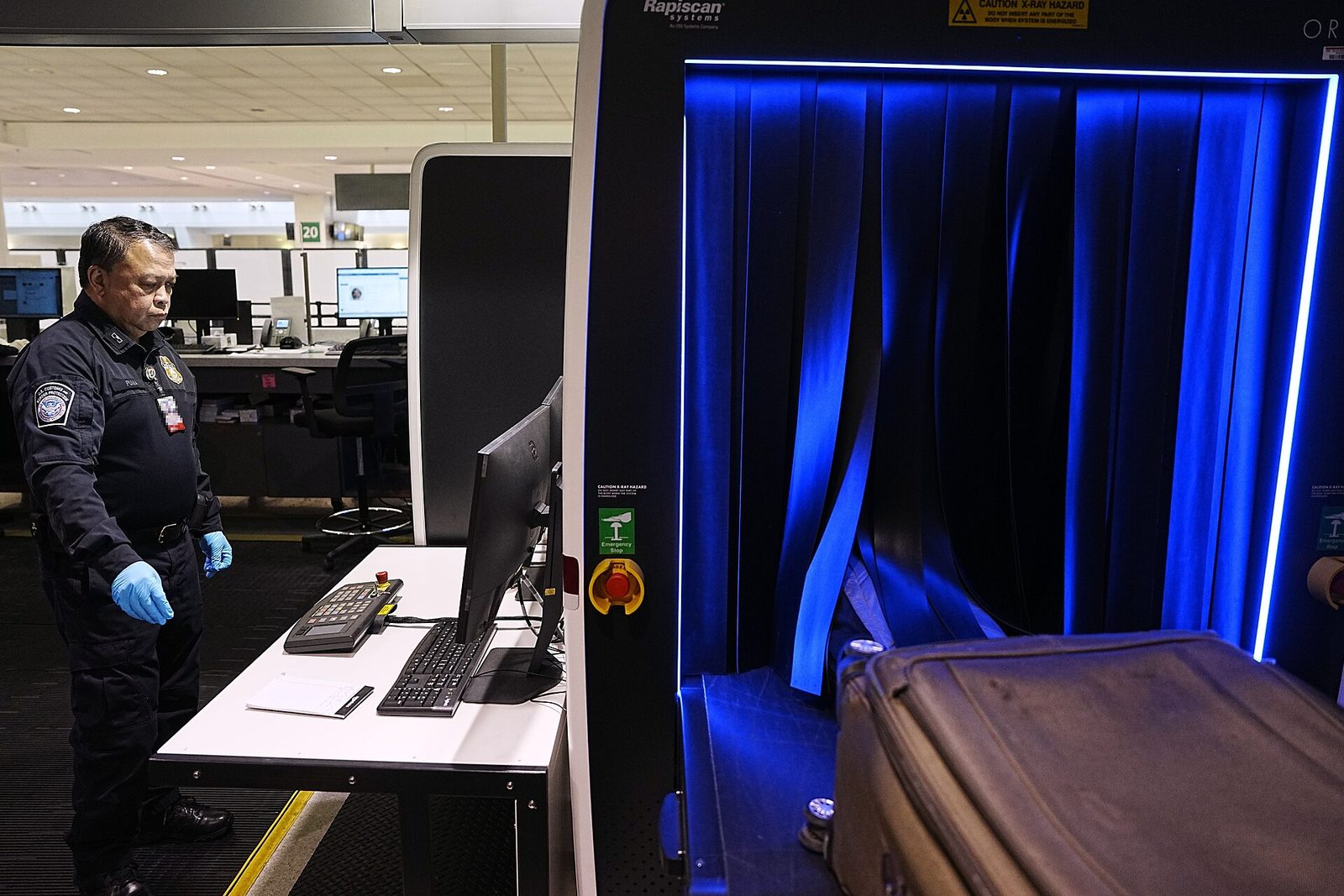
Customs is the step of China's entry formalities where things actually go wrong. The vast majority of travelers walk through the green channel with their bags and never face an inspection; but if you are carrying excess cash, tobacco or alcohol beyond the allowance, meat products, or a large batch of unopened electronics, you need to understand the rules first. Here they are, category by category.
Cash: over the limit, declaration required
If you enter China carrying more than RMB 20,000 in cash or foreign banknotes worth more than the equivalent of USD 5,000, you must use the declaration channel and file a written declaration with customs. If undeclared cash is discovered, the lighter outcome is temporary detention while you complete the paperwork; the heavier one is a fine. The RMB and foreign-currency limits are calculated separately. The same rules apply on departure, and you may not take out more foreign currency than you declared bringing in — if you arrive with a large amount of foreign cash, keep your declaration form.
Duty-free allowance: 5,000 + 3,000
Personal items acquired abroad are duty-free up to a total value of RMB 5,000; purchases at duty-free shops at the port of entry carry an additional RMB 3,000 allowance, for a combined 8,000. Anything above that is taxed at the personal postal articles rate (generally 10%–20%, higher for cosmetics and alcohol).
The duty-free limits for tobacco and alcohol: 400 cigarettes (or 100 cigars, or 500 g of cut tobacco) and 2 bottles of alcoholic beverages above 12% ABV (no more than 1.5 L combined). Slightly exceeding the personal-use range can usually be settled by paying the tax; carrying whole cartons or cases falls under "beyond a reasonable personal quantity" and is treated as goods.
Food: several clear no-go categories
- Prohibited entry: fresh fruit, almost all meat products (ham, sausages, rousong (meat floss), and meat-containing seasoning packets all count), eggs, seeds and seedlings, and edible bird's nests (except canned, ready-to-eat bird's nest).
- Allowed: sealed packaged biscuits and candy, tea, coffee, and milk powder (in reasonable personal quantities).
Pay particular attention to the "meat products" item: vacuum packing is prohibited just the same, and quarantine detector dogs finding meat products beside the baggage carousels is a daily routine at ports of entry.
Medication: keep prescriptions complete, avoid controlled ingredients
Bringing in personal medication follows the "reasonable quantity + prescription proof" principle:
- Carry an amount matching the length of your trip — for a short journey, one blister pack of everyday medicines is enough;
- Attach a copy of your doctor's prescription or diagnosis for prescription drugs;
- Avoid compound medicines containing ephedrine, codeine, or morphine-class ingredients — these are controlled substances in China, and travelers have been penalized for carrying large quantities of compound licorice tablets (fufang gancao pian).
Everyday medicines such as fever reducers, stomach remedies, and adhesive bandages are available at any pharmacy in China at low prices, so there is no need to bring much.
Electronics and drones
Personal-use phones, laptops, cameras, and gimbal stabilizers can be brought in normally. But multiple identical, unopened phones or large quantities of electronics may be classified as goods and require declaration and taxation — anything with a daigou character (buying on behalf of others) should be declared proactively.
Personal-use drones may enter the country. Drones over 250 grams must be registered under your real name in the CAAC's UOM system (free, done online), and no-fly rules must be strictly observed: airport clearance zones, key downtown areas, military facilities, and some border areas are all off-limits. Enforcement varies from city to city, so check the latest local rules before flying.
How to use the declaration channel
Every port of entry has "Goods to declare" (red) and "Nothing to declare" (green) channels. If you are unsure whether what you carry complies, take the red channel and ask — declaring voluntarily never produces a penalty; only undeclared items found in a spot check constitute a violation. Customs halls have information desks, and a translation app bridges any language gap.
The reverse reminder matters just as much: when departing China for another country, meat products and fruit will likewise be intercepted by the destination's customs (Australia, New Zealand, and Japan are especially strict) — do not pack unfinished local specialties into your luggage.
Frequently asked questions
What documents do I need to bring prescription medication into China?
A personal-use quantity is fine — just carry a copy of your doctor's prescription or diagnosis. Compound cold and cough medicines containing controlled ingredients such as ephedrine or codeine carry a higher risk, so switch to medicines with ordinary ingredients. Traditional Chinese medicines containing endangered animal or plant ingredients (such as certain musk or rhino-horn products) are prohibited.
Can I bring a drone into China?
Personal-use drones are no problem at entry. Before flying, however, drones over 250 grams must be registered on the CAAC real-name registration system (UOM), and you must follow local no-fly rules — areas around airports, city centers, and military facilities are all off-limits, and fines for violations are heavy.