
Entering China Step by Step — From Landing and Border Inspection to Customs
By PandaTrip Editorial · 5 min read · Verified 2026-09-06
Verified 2026-09-06

For first-time visitors to China, anxiety about the entry process usually far exceeds the actual difficulty. Chinese ports of entry are highly efficient: at the major Beijing and Shanghai airports, when passenger flow is normal, it typically takes only 30–40 minutes from touchdown to walking out of the arrivals hall. What actually causes delays is usually two small things — not filling in the arrival card in advance, or having items in your luggage that customs prohibits. This guide walks through each stage of the real arrival route.
Before You Land: Fill In the Arrival Card
Since November 20, 2025, travelers to China can fill in the arrival card online before entry; a submission is valid only within 3 days before entry — if you submit too early, the system will not accept it. There are four official channels: the National Immigration Administration website (s.nia.gov.cn, the only official domain, completely free), the "NIA 12367" app, the official mini programs inside WeChat and Alipay, and scanning the QR code printed on the paper arrival card.
The form is simple: passport details, flight number, and your address in China (the hotel name is enough). One card per person, and children must be registered too. After you submit, a confirmation record is generated — take a screenshot and save it.
Missing the online window is not a problem — paper cards are still available on the plane and at the border inspection hall; hand-filling one after landing takes two minutes and carries the same validity. For detailed steps, see the "Digital Arrival Card Guide". The one thing to stay alert to is counterfeit websites: the immigration authorities have publicly warned that fake sites charge fees to fill in the form for you, while the official service is completely free.
Let me also clear up one widely circulated piece of outdated information: the customs health declaration form (the "black code") was abolished in November 2023 and is no longer required of every traveler. You only need to declare proactively if you have symptoms such as fever, cough, or a rash.
Border Inspection: Document Check and Routine Questions
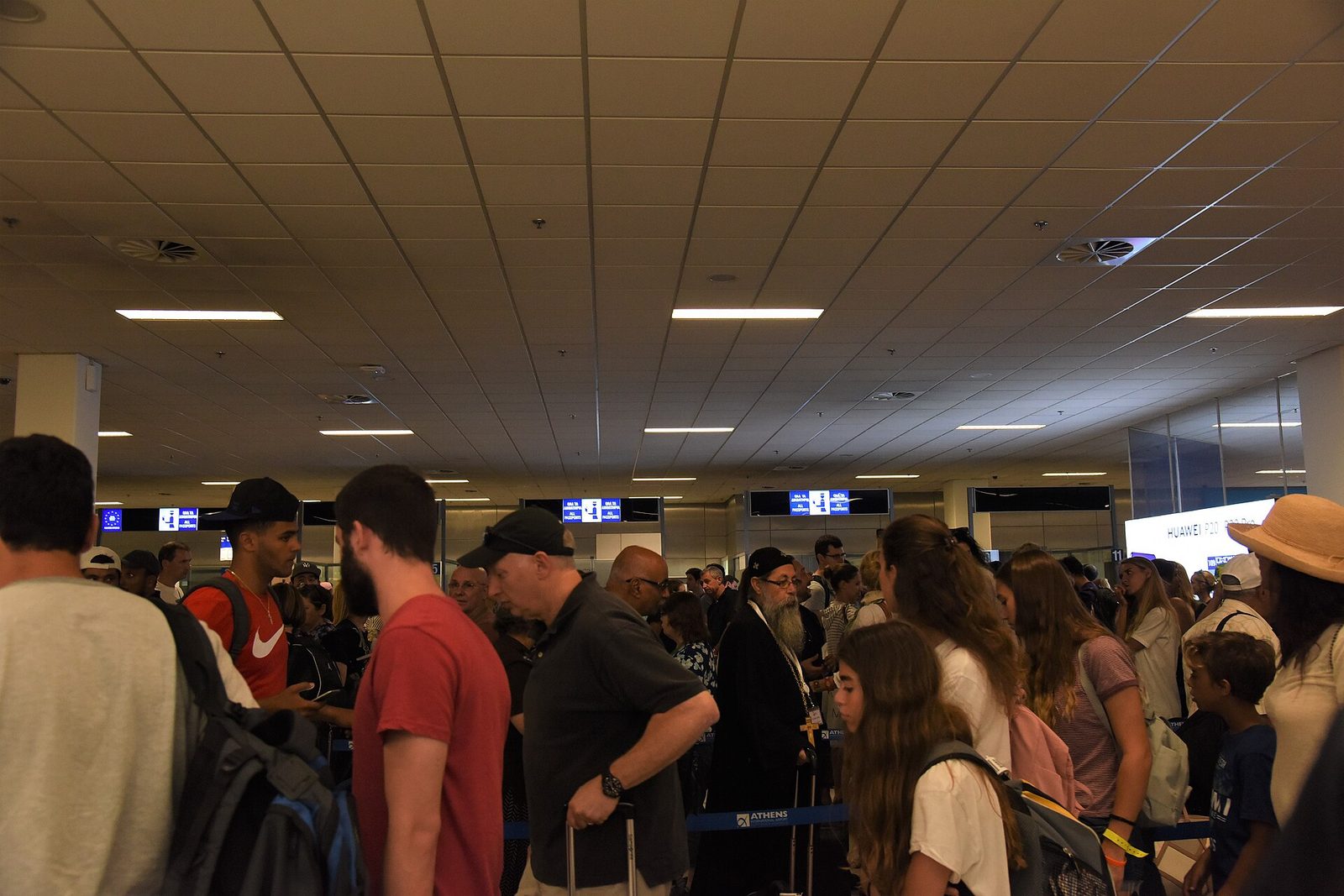
Border inspection is the core step of entering the country. When queuing, tell apart the "Chinese Citizens (including Hong Kong, Macao and Taiwan)" and "Foreign Citizens" lanes; if you join the wrong one, you will simply be redirected — not a problem.
When your turn comes, hand over your passport (together with your visa, if you are not entering visa-free). Visa-free travelers are usually asked a few simple questions: purpose of the visit, length of stay, accommodation. Just answer truthfully. We recommend saving screenshots of your return flight booking and hotel reservation on your phone for inspection — in the vast majority of cases they will not be checked, but being able to show them immediately if asked makes the process much faster.
Travelers aged 14 to 70 normally need to have fingerprints taken (some document types are exempt; follow the on-site requirements). Major ports such as Beijing Capital, Daxing, Shanghai Pudong, and Guangzhou Baiyun have launched self-service clearance lanes; travelers who visit China often can register and clear inspection on their own. First-time entrants generally use a staffed counter.
Those entering under the 240-hour visa-free transit must submit their application at the border inspection transit visa-free lane; see the "240-Hour Visa-Free Transit Guide" for the procedure.
Transfer Passengers Take Note: Baggage Must Be Re-checked
At most Chinese airports, there is no through-check baggage service for international-to-domestic transfers (especially with low-cost airlines or two tickets bought separately). The process is: enter the country → collect your baggage → leave the arrivals level → check in again and re-check your baggage at the domestic departures level. Allowing at least 3 hours between the two flights is the safe choice.
Customs: Know the Red Lines and Relax
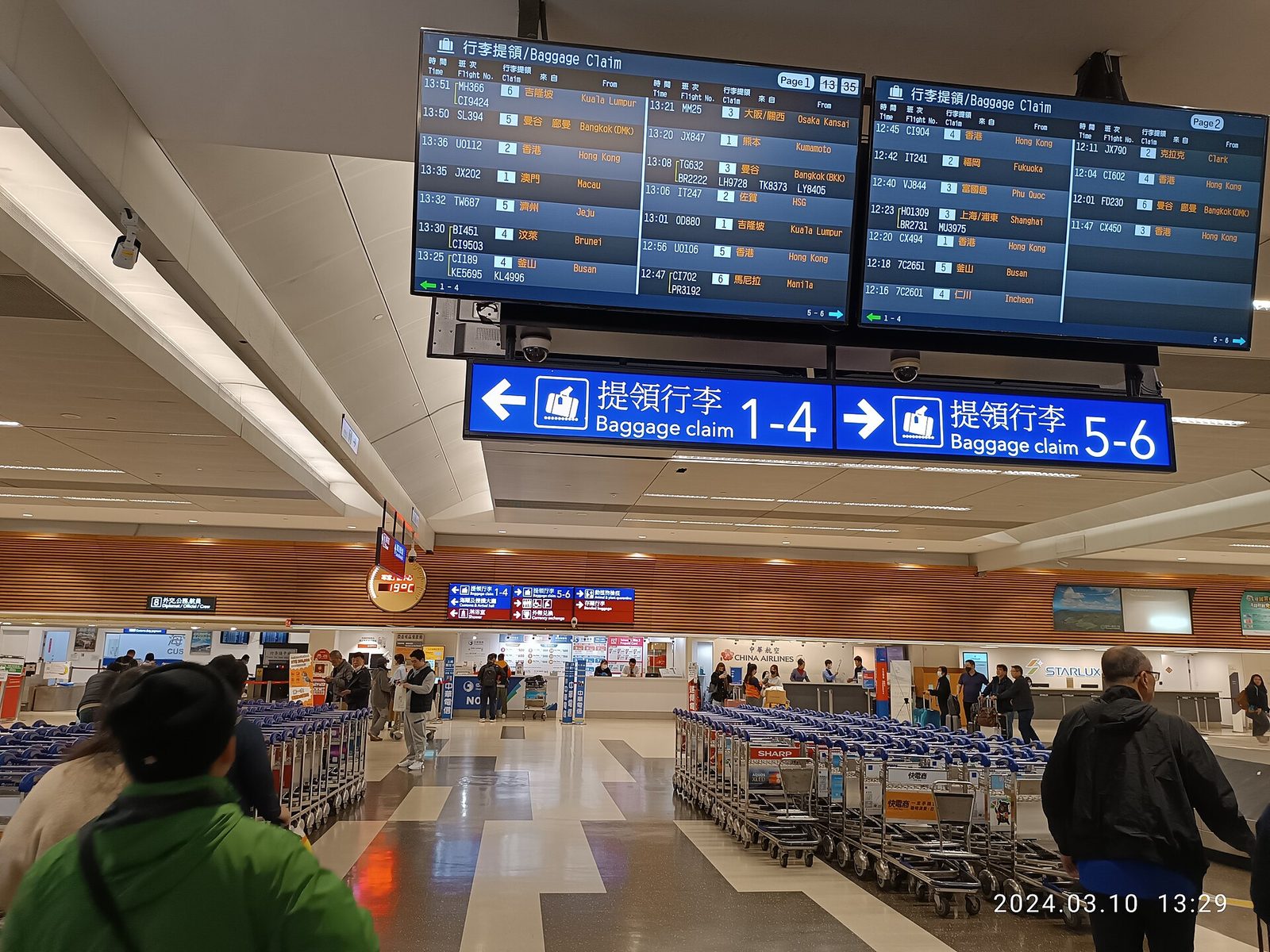
Once you have collected your baggage, you enter the customs area. If you have nothing to declare, take the "Nothing to Declare" channel (green) and will most likely pass straight through; if any of the following applies, take the "Goods to Declare" channel (red) and declare proactively:
- Carrying cash over RMB 20,000, or foreign currency in cash exceeding the equivalent of US$5,000;
- Personal items obtained abroad with a total value exceeding RMB 5,000 (purchases at port duty-free shops carry an additional RMB 3,000 allowance);
- Medicines or electronic products beyond a reasonable quantity for personal use, or food of unknown composition.
Explicitly prohibited from bringing in: fresh fruit, meat products (ham, dried pork floss, and meat-containing snacks all count), eggs, and seeds and seedlings. Prescription medicines are limited to personal-use quantities and should be accompanied by a doctor's prescription or diagnosis; compound medicines containing controlled ingredients such as ephedrine or codeine are best not brought. A drone for personal use may enter the country, but flying it is subject to separate registration rules. For the complete list of items, see the "Customs Regulations on Baggage".
Customs may open and spot-check luggage at random; if you are selected, simply cooperate — normal tourist luggage will not cause problems.
Arrivals Hall: Three Things to Do First
After clearing customs, we suggest completing three things before leaving the airport:
- Withdraw a small amount of cash: the arrivals level has ATMs that accept foreign cards and currency exchange counters; get a few hundred yuan in small notes as a backup (see the "Cash and ATM Guide").
- Get a SIM card or connect to airport Wi-Fi: the three major carriers have counters at the main airports; register with your passport (see "Getting a SIM Card in China").
- Confirm your payment tools work: Alipay and WeChat Pay both support linking international bank cards; if you installed them and linked a card before departure, you can scan to pay right after landing (see the "Payments Overview").
From there the route is clear: ride-hailing cars wait at designated pickup points (airport signage includes English), or follow the "Airport Express / Metro" signs to transfer to rail transit. At this point, the entry process is complete.
Frequently asked questions
Do I still need to fill in a health declaration to enter China?
No. The universal health declaration form (the so-called “black code”) was abolished on November 1, 2023; you only need to proactively declare to customs if you have a fever or another infectious condition. Many guides online still teach you how to fill in the black code — that is outdated information.
What if I do not speak Chinese at border inspection?
Major ports of entry have staffed lanes and translation support; if there is a question you cannot answer, you can request interpreter assistance. Saving screenshots of your hotel's name and address and your return flight on your phone in advance works better than trying to explain verbally.