
China Departure Tax Refund Guide (2026 Version 2.0): RMB 200 Minimum, Instant In-Store Refunds, and Paperless Processing
By PandaTrip Editorial · 5 min read · Verified 2026-09-06
Verified 2026-09-06
Buy crafts, tea, silk, or electronics in China and you can reclaim part of the VAT when you leave. The departure tax refund (VAT Refund) system has been drastically simplified over the past two years: the minimum purchase threshold dropped from RMB 500 to RMB 200; since "Departure Tax Refund 2.0" took effect on July 1, 2026, one nationwide code covers everything, the whole process is paperless, small claims face only spot checks, and instant in-store refunds are recognized across regions. If your shopping in China reaches the thousand-yuan level, these rules are worth a few minutes of your time.
Eligibility
- Traveler status: an overseas visitor (including visitors from Hong Kong, Macau, and Taiwan) who has stayed in mainland China continuously for no more than 183 days. Your travel document must show your most recent entry date (the passport entry stamp is enough).
- Departure window: goods must be purchased no more than 90 days before your departure date, and your departure date must fall no more than 183 days after your last entry.
Where to Shop: Look for the Tax-Refund Store Sign
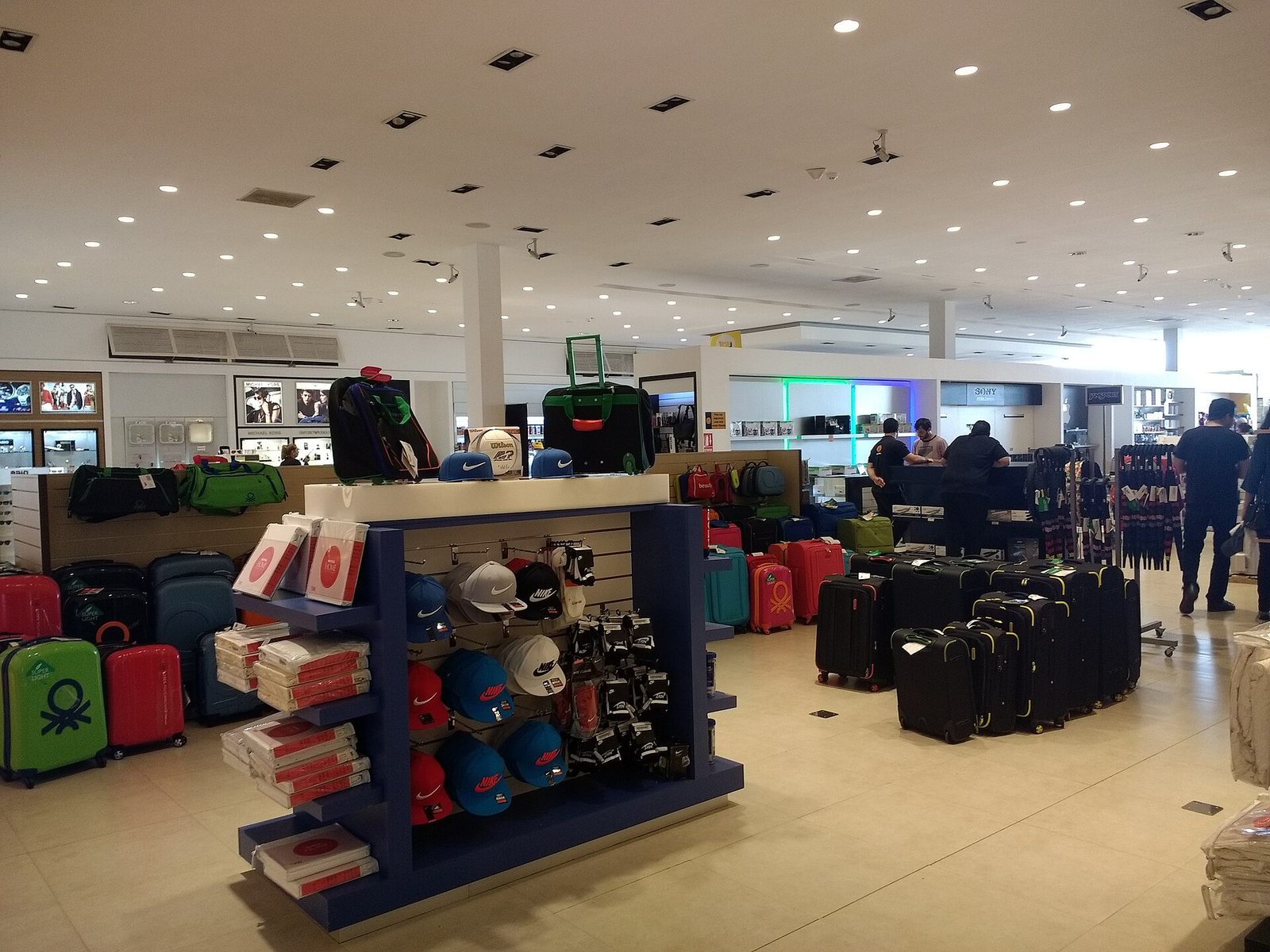
Only registered departure tax refund stores can process refunds; they display a "离境退税商店 / Tax Free" (departure tax refund store) sign. Registration opened up widely from 2025, and China now has more than 14,000 tax-refund stores, with near-total coverage of major shopping districts, tourist attractions, and ports of entry and exit — upscale malls, time-honored brands, and cultural-creative shops in big cities are mostly on the list. At checkout, show your passport and say you want a departure tax refund; the clerk issues a VAT invoice and a Departure Tax Refund Application Form (paperless stores generate an electronic refund form directly).
Minimum spend: spending at least RMB 200 — same traveler, same day, same store — qualifies, and multiple items can be combined. Note the "same store, same day" rule: small purchases scattered across different stores cannot be pooled.
How the Refund Amount Is Calculated
Refund amount = VAT-inclusive invoice amount of the goods × refund rate, minus the refund agency's service fee:
- Goods subject to the 13% VAT rate (the vast majority of industrial goods, crafts, and electronics) → refund rate 11%
- Goods subject to the 9% rate (some processed agricultural products) → refund rate 8%
After the service fee, you actually receive about 9% of the invoice amount. Spend RMB 10,000 and the refund is roughly RMB 900.
What's New in 2026
Departure tax refund service code: from July 1, 2026, scan a QR code with your phone after entry and enter your identity details once to generate a service code valid nationwide. Use it at refund stores in any province and at any departure port; the electronic refund form, e-invoice, and processing status are all visible on your phone throughout.
Fully paperless process: customs and refund agencies now verify the electronic refund form and invoice online instead of stamping paper documents, noticeably shortening airport processing time.
Spot checks for small claims: applications with refund-eligible sales under RMB 10,000 are randomly sampled for inspection; those not selected skip the physical goods check, while claims of RMB 10,000 and above are still inspected one by one. Most small refunds no longer require queuing to open your luggage.
Upgraded instant in-store refund: at stores displaying an "instant in-store refund" (即买即退) sign, sign an agreement and put a pre-authorization on your credit card, then collect the refund on the spot (in cash or back to your card) without queuing at the airport. Version 2.0 extends the departure deadline for instant refunds uniformly to 28 days and pushes cross-region recognition — from September 1, 2026, it works nationwide, and you can complete the process when leaving from a port in a different region. Per-transaction caps are set locally; Beijing, for example, has raised its cap from RMB 50,000 to RMB 220,000 (the maximum refund-eligible purchase per transaction, covering over 95% of refund travelers).
The trade-off: goods must leave the country in original condition (unused and unopened); customs may inspect them at departure, and the pre-authorization is released once your compliant exit is confirmed.
The Traditional Airport Refund Process
- Do not check refund-eligible goods straight into hold luggage. Items you carry on are inspected at the tax-refund customs counter before security; items you need to check in must be inspected by customs before you drop them at the check-in counter — do it in the wrong order and the refund cannot be processed.
- At the airport's "departure tax refund customs inspection" counter, present your passport, invoice, application form, and goods (or your service code) to complete the inspection.
- Collect your refund at the refund agency counter in the international departures area: cash refunds are capped at RMB 20,000; anything above is transferred to a bank card, with no cap on transfers. Refunds to credit cards typically take several weeks to arrive.
Things to Watch
- The name on the invoice must match your passport exactly — one wrong character in the passport number voids the refund, so check the details on the spot after the clerk enters them.
- Cosmetics and tea are refundable as normal, but items banned from export (unlicensed cultural relics, protected animal and plant products, etc.) are not eligible — see our China Entry Customs Rules guide.
- For customs inspection plus the refund counter, allow at least 40 minutes at the airport; paperless ports take less.
- Choose either the instant in-store refund or the airport refund — the same batch of goods cannot be refunded twice.
Frequently asked questions
How much money do I get back?
By the formula: refund amount = invoice amount of the goods (VAT-inclusive) × refund rate. Goods taxed at 13% get an 11% refund rate, and goods taxed at 9% get 8%; after the refund agency's service fee, you actually receive about 9% of the invoice amount. Spend RMB 10,000 and you get roughly RMB 900 back.
What's the difference between the instant in-store refund and refunding at the airport?
The instant in-store refund pays you on the spot at the shop (secured by a credit card pre-authorization) and the money arrives right after purchase, but the goods must leave the country in original condition; the airport refund is processed after customs inspection at departure — cash refunds are capped at RMB 20,000, with no limit on bank transfers. You can only choose one of the two.