
VPNs in China: The Rules, the Realistic Risks, and Legal Alternatives
By PandaTrip Editorial · 3 min read · Verified 2026-09-06
Verified 2026-09-06

The most important point comes first: this article does not recommend or teach anyone to use any VPN tool. Its purpose is to help you understand the rules, weigh the realistic risk, and then solve your connectivity needs through fully legal means. You came to China to travel — there is no reason to carry a legal risk just to scroll Instagram.
What the rules say
China licenses international connectivity: only authorized operators — mainly the three state carriers — may run cross-border network services, and enterprises can lease compliant lines through proper channels. Providing VPN services without authorization is illegal business activity — and that is where enforcement concentrates. The people sentenced or fined heavily in recent years have overwhelmingly been those who developed and sold VPN tools.
On the user side, the relevant basis is the Interim Provisions on the International Connection of Computer Information Networks and related regulations: using unauthorized channels for international connectivity can be ordered to stop and may be fined. Publicly reported penalty cases against individuals do exist, typically ranging from a few hundred to a few thousand yuan, and usually involve long-term use, commercial purposes, or discovery during an inspection. Cases against foreign short-term visitors are extremely rare — but "extremely rare" is not "never," and that is the honest calibration of the risk.
How enforcement actually works
- In everyday tourism scenarios, enforcement resources are almost never directed at an individual visitor's browsing;
- The checks that do make the news happen in specific settings: device inspections at land border crossings (particularly along the Xinjiang and Tibet routes), network reviews at rental homes and workplaces, and corporate investigations involving trade secrets;
- Selling, sharing, or installing VPN tools for others is a categorically different level of risk. Do not do it.
Everyone calibrates risk differently, but as a travel guide our position is simple: while in China, do not install, carry, or use unauthorized VPN tools. Keep the trip clean and simple.
The legal alternatives: two are enough
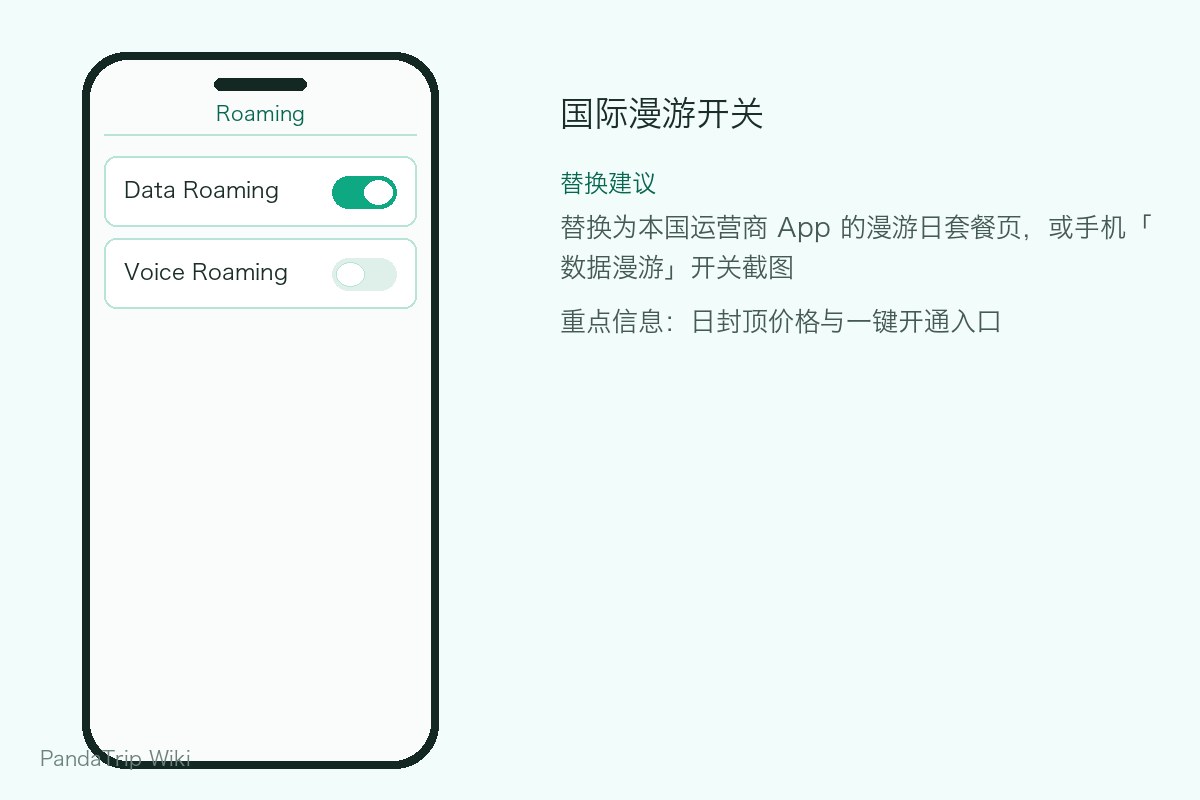
Option one: international roaming. Roaming traffic from your home carrier does not pass through mainland filtering systems, so it works automatically on arrival. Daily-cap plans (roughly US$3–10 per day) are not cheap, but they involve zero setup, are fully legal, and can be toggled anytime. For anyone who genuinely needs daily access to Gmail or WhatsApp calls, this is the most worry-free answer.
Option two: an overseas-routed international eSIM. Buy one before departure from providers such as Saily or Trip.com, and look for an explicit "overseas routing" description. It costs far less than roaming, coexists with a local SIM on a dual-SIM phone, and switches on with one tap whenever you need overseas services. See "Staying Online in China" for the full comparison.
Between them, these two options cover virtually every legitimate need: messaging (WeChat is always available), email (Outlook works, or use the roaming channel), social media (via the roaming/eSIM channel).
Leave the rest to local tools
Once you land, you will find there are fewer moments than you expected where you truly cannot do without Google:
- Navigation → PandaTrip (built-in maps, local data source, coordinate-adapted) / AMAP Global / Apple Maps
- Translation → PandaTrip (voice conversation and phrase cards) / Baidu Translate / Youdao / Apple Translate
- Search → Bing (cn.bing.com)
- Ordering / rides / tickets → Alipay, WeChat, DiDi
- Travel questions → PandaTrip's AI assistant and Wiki (answers grounded in human-verified guides)
One final piece of advice: treat being offline from your usual feeds for a few days as part of the itinerary. Set an auto-reply on your email, and catch up on social media back at the hotel over the roaming connection. You will find that the world keeps turning without your daily scroll — and the hotpot tastes just as good.
Frequently asked questions
Can foreign visitors be penalized for using a VPN?
Legally, using unauthorized international gateways is a violation, and confirmed cases can be fined (documented cases mostly involve sums from a few hundred to a few thousand yuan). In practice, enforcement targeting short-term foreign tourists has been extremely rare, but the risk is not zero. We do not recommend installing, carrying, or distributing VPN tools while in China.
Are there fully legal alternatives?
Yes, and they work reliably: international roaming (your traffic flows back through your home carrier and is unaffected by restrictions) and international eSIMs with overseas routing. Both are legitimate telecom services, and Gmail, WhatsApp, and similar apps work normally over them.